


Why I Trust — and Sometimes Second-Guess — Rabby Wallet as a Browser Extension for Ethereum
Whoa! Okay, so quick gut reaction: Rabby Wallet feels like the kind of extension you install and then quietly hope nothing weird happens. Really? Yes. My first impression was that it was slick and focused—clean UI, sensible network switching, and a no-nonsense approach to approvals. But my instinct said, “Hold up—where’s the provenance? Who built this, and where’s my recovery path?” Initially I thought it would be “plug and play,” but then I started poking under the hood and that changed the tone a bit.
I’m biased toward wallets that treat permissions like precious cargo. So here’s the thing. Rabby aims to reduce the attack surface that a typical browser wallet exposes, especially around dApp approvals and signing. Medium-sized features like batched approvals and contract allowance management really stand out. On the other hand, a browser extension is still an extension—it’s surface area in your browser, and that’s a reality we can’t ignore.
I’ve used a half-dozen wallets in the past three years (some were painful). This part bugs me: not every “safer” feature is easy for newcomers. So I often find myself slowing down, double-checking addresses, and muttering—somethin’ like, “Are you sure?” Which, honestly, is exactly what you want to do.
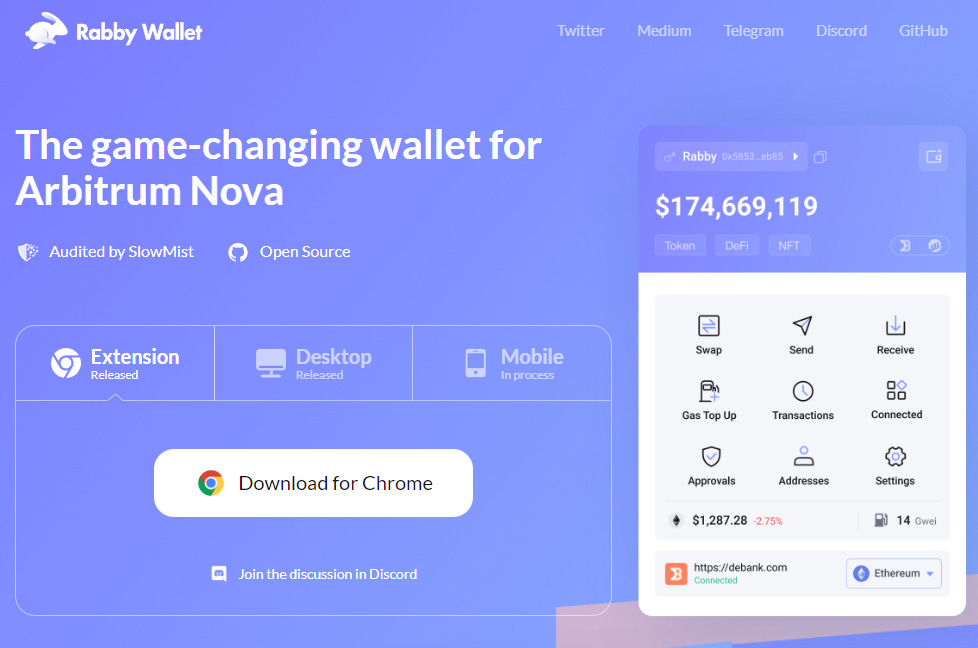
What Rabby Wallet Does Well
Low-friction Ethereum support. Straightforward token management. Smart handling of contract allowances (so you don’t leave unlimited approvals on a token forever). Those are practical wins. On one hand, it reduces repetitive risk; on the other hand, it expects users to make decisions that feel a little technical at first. I’m not 100% sure everyone will read the warnings, though.
Security-first features include warnings on risky transactions, per-site approval history, and built-in support for hardware wallets (so you can keep your seed off the browser). Something felt off the first time I saw a permissions prompt that bundled multiple actions—so I now hover and inspect more carefully. This practice saved me once when a dApp tried to push a token approval higher than necessary.
How to Install and Set Up (Practical Steps)
Step-by-step, plain and simple. First: prefer official sources and verified listings in the browser extension stores. Seriously? Yes—extensions are the single biggest vector for mimic apps that look real but steal keys. Next: after installation, create a new wallet or import a seed, then immediately backup your seed phrase to a secure offline place (paper or hardware, not a cloud note). Initially I thought a password manager was fine, but then I realized the master password is a single point of failure—so I moved to a cold backup.
If you want a quick reference for download links and basic setup instructions, check this page: https://sites.google.com/cryptowalletextensionus.com/rabby-wallet-download/ (verify the URL and be cautious—always double-check the domain in your address bar before installing).
Configuring for Everyday Use
Turn on hardware-wallet integration if you have one. Use account isolation—create separate accounts for trading, staking, and long-term holding. Keep a “dust” account for frequent small interactions if you like testing new dApps. I do this and it helps reduce stress when a popup shows up for an unfamiliar transaction. Also, set approval prompts to manual rather than auto-approve (oh, and by the way… don’t rush through modals).
If you’re bridging or interacting with lesser-known contracts, open the contract in an explorer and read the verified source if available. Yep—this is the nerdy part, but it matters. On the flipside, there are UX trade-offs: more checks equals slower workflows; the user experience can feel clunky in high-frequency trading scenarios.
Common Pitfalls and How to Avoid Them
Phishing is the obvious one—fake websites, fake extensions, and fake popups. Double-check domains. Use a hardware wallet for large holdings. Be wary of unlimited token approvals; revoke them after use. My rule: if a dApp asks to sign something that doesn’t match the action you’re taking, pause. Really pause. On more than one occasion I’ve caught dangerous requests because I slowed down.
Another trap is backup complacency. Back up the seed, test recovery, then store the backup in more than one place (but not too many places). Too many copies increase exposure. Too few is a disaster. It’s a balance—like packing for a long road trip down Route 66: you want enough snacks, but not so many that your trunk explodes.
When Rabby Makes Sense — and When It Might Not
Good fit: active DeFi users who need control over contract approvals, traders who hop across L2s, and folks who like granular permissioning. Not great: complete newcomers who want a zero-friction, one-click experience. On one hand Rabby gives you control; on the other hand, control requires attention. Though actually, wait—control can be taught with good onboarding, and I think Rabby is getting better at that.
I’ll be honest: some of the UX could be clearer. The allowance manager is powerful but can be confusing the first time. My workaround? I walk new users through approving only what they need for the minimum time. Practical habits trump flashy features.
FAQ — Quick Answers
Is Rabby Wallet safe for Ethereum?
It has strong safety features for an extension wallet, especially around allowances and hardware integration, but safety also depends on your personal habits—backups, verifying URLs, avoiding shady dApps. Something felt off when I tried a cloned site once; that experience taught me to cross-check everything.
Can I use Rabby with Ledger/Trezor?
Yes—hardware support is available. Use it for large sums. Initially I thought software-only was “fine,” but actually hardware integration is a huge step up for cold storage security.
What about layer-2s and token swaps?
Rabby supports multiple networks and common swaps. However, watch slippage and bridge mechanics. On one hand speed is great; on the other hand cost surprises happen—so always preview and double-check fees before confirming.
